
Introduction
Imagine this: you’re sipping a warm cup of green tea, feeling cozy… and secretly hoping it’s doing something more than just tasting nice. What if that cup could actually boost your metabolism in a small but meaningful way?
I’ve been sipping green tea for years—sometimes for taste, sometimes for health, and sometimes hoping—just hoping—it gives me that extra edge. Over time, I learned how to use it smartly, not blindly. Let’s talk about green tea plans that boost metabolism—what works, what’s exaggerated, and how you can fit it into your life (without going nuts).
1. Why People Think Green Tea Boosts Metabolism
Let’s start with the basics. Why do we even believe green tea can boost metabolism?
The Science Behind It
- Green tea contains catechins, especially EGCG (epigallocatechin gallate), which are antioxidant compounds that may help increase fat oxidation and calorie burn.
- It also has caffeine, which is a known stimulant that temporarily raises energy expenditure.
- Some studies show that during exercise, green tea may help your body burn more fat than without it.
What the Evidence Really Shows
- In meta‑analyses, green tea or its extracts tend to produce small, modest increases in metabolic rate and modest weight loss effects.
- Some studies don’t find statistically significant changes in resting metabolic rate (RMR) after chronic green tea use.
- Green tea seems to help more when combined with resistance training or consistent workouts. For example, one study in women found green tea + resistance training helped maintain RMR, improve lean mass, and reduce fat better than placebo + training.
So yes, green tea has potential—but it’s not a magic bullet. The key is using it strategically.
2. How Much Green Tea (or Extract) Is Reasonable
You can’t just gulp kilos of green tea and expect metabolic miracles. You need a sensible amount.
Cups vs. Extract
- Regular brewed green tea: 2–5 cups per day is a common, safe range.
- Green tea extract / supplements: Many studies use 200–600 mg of catechins daily, often paired with caffeine.
Watch the Side Effects
Too much EGCG (e.g., in high dose supplements) has been linked (rarely) to liver toxicity in sensitive people. Always pick trusted brands.
Some people also feel jittery, nauseous, or get stomach upset if they drink too much or on empty stomach.
Timing Matters
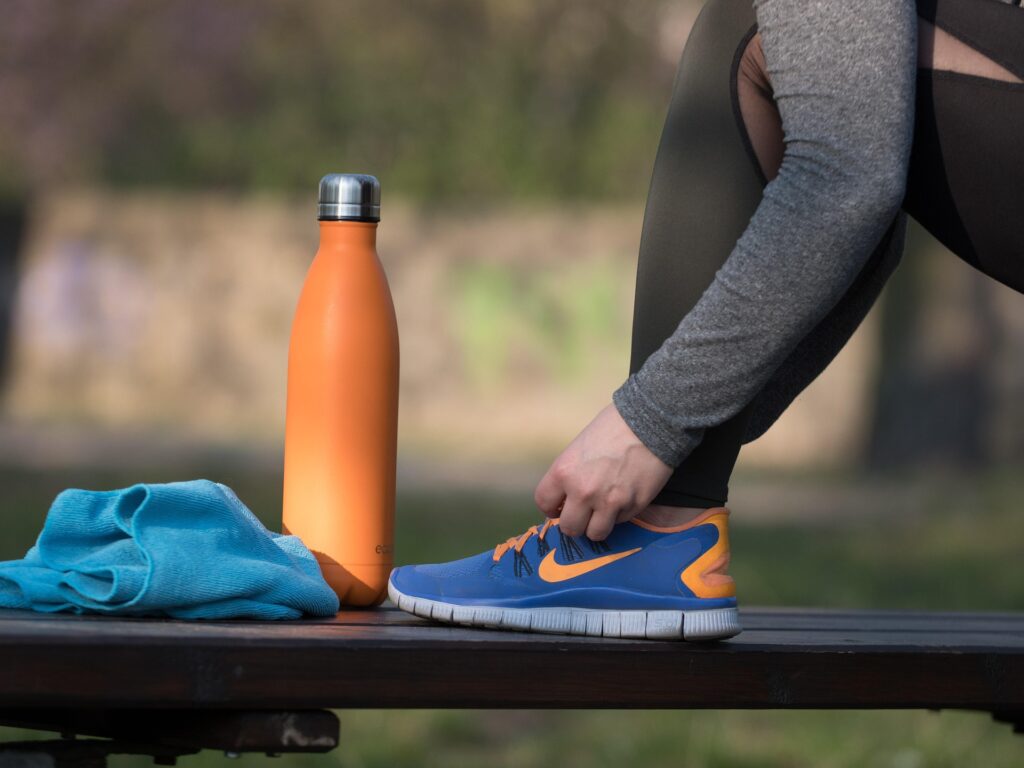
Drinking green tea around workouts may help you harness its fat‑burning benefit. Also, avoid drinking it too close to bedtime (because of caffeine).
3. Creating a Green Tea Plan: Daily Routine Suggestions
Here are a few sample plans you can adapt based on your lifestyle. Use them as templates, not rigid rules.
Plan A: Beginner Daily Strategy
- Morning (upon waking): 1 cup of green tea (hot or iced)
- Mid-morning: 1 more cup
- Lunch or early afternoon: 1 cup
- Workout time (if applicable): 1 cup about 30 minutes before
This gives you ~3–4 cups in a day—manageable and less likely to overload your system.
Plan B: Green Tea + Extract Combo
Some days you might use a green tea extract capsule (with standardized EGCG) plus 2–3 cups of brewed tea. The extract fills in the gap when you can’t sip the brew.
Take the capsule with food to reduce stomach issues.
Plan C: Workout-Enhanced Plan
- Pre-workout (30 min before): Green tea or extract
- During post-workout: Keep hydration strong
- Rest of the day: 2–3 cups spaced out, especially during your active hours
This leverages the synergy of green tea + exercise to push metabolism a bit harder.
4. Pair the Tea with Nutrition & Training for Max Effect
Green tea by itself won’t do the heavy lifting. You need to pair it with the right habits.
Eat Enough Protein
Muscle burns more calories than fat at rest. If you maintain or build lean mass, your metabolism gets a boost.
Prioritize Resistance Training
Green tea helps more when you already work out. That study in women showed combining green tea with resistance training prevented RMR from falling.
Mind Your Calories
The metabolic boost from green tea tends to be modest—maybe a few percent increase in calorie burn. You still need a decent deficit (or good balance) to lose or manage weight.
Sleep & Recovery
Poor sleep wrecks metabolism. Using green tea to compensate for lack of rest is a bad bet.
5. Enhancers & Tweaks to Amplify the Effect
You can tweak your tea to “turn up the volume” a little—without going overboard.
Add Spice
Try cinnamon, ginger, cayenne, turmeric, or black pepper in your green tea. These can slightly enhance metabolism or digestion. (Many wellness blogs suggest this synergy.)
Use Matcha Occasionally
Matcha is powdered whole-leaf green tea. Because you consume the entire leaf, you get more of its compounds (including EGCG and caffeine). Just balance intake so you don’t overdo stimulants.
Alternate Teas
While green tea is the star, you can rotate with oolong or white tea for variety. Some research suggests similar polyphenol benefits across teas.
Drink With Meals
Drinking green tea with or shortly after meals may slightly slow fat absorption or improve metabolism of nutrients. It might also curb your appetite a little. (Though evidence is mixed.)
6. Common Pitfalls & Misconceptions
Let’s clear up some traps I’ve personally walked into (and you probably will too).
“If more is better, I’ll just drink 10 cups”
No. More caffeine, more acidity, more side effects. The returns diminish quickly.
Expecting Dramatic Weight Loss
If you expect green tea to melt off 10 kg by itself, you’ll be disappointed. Its effect is additive, not transformative.
Using Decaf Always
Decaf green tea lacks much of the caffeine that helps with metabolism. Some studies show decaf green tea has weaker or negligible metabolic effects.
Ignoring Individual Differences
Some people metabolize caffeine faster, some are more sensitive. Your results will vary.
Neglecting Other Factors
You can’t “tea” your way out of a terrible diet, zero movement, or bad sleep.
7. Sample 4-Week Metabolism-Boosting Tea Plan
Here’s a sample plan you can follow or tweak:
| Week | Cups Brewed Tea / Day | Extract Usage | Workout Tie-In | Notes |
|---|---|---|---|---|
| Week 1 | 2–3 | None | Use tea pre-workout | Get used to daily intake |
| Week 2 | 3–4 | Light extract (200 mg catechins) | Tea before strength session | Monitor for side effects |
| Week 3 | 3–4 | Extract + brew | Add another workout | Adjust dose if jittery |
| Week 4 | 4 cups | Extract optional | Evaluate what gives best synergy | Reflect and adjust next month |
Track your energy levels, digestion, sleep, and body metrics (weight, waist, etc.). Adjust if you feel overstimulated or see diminishing returns.
8. What to Watch For: Side Effects & Safety
Green tea is generally safe, but “natural” doesn’t mean “no risk.” Here’s what to be cautious about:
- Caffeine sensitivity: racing heart, jitteriness, insomnia
- GI issues: nausea, stomach upset (especially on empty stomach)
- Liver stress (rare): very high-dose EGCG in supplements has been tied to liver toxicity in sensitive individuals
- Interactions with medications: blood thinners, certain stimulants, etc.
Always consult your doctor if you take medications or have health conditions.
9. How to Know If It’s Working
Because the metabolism boost is subtle, you need to look for trends, not day‑to‑day spikes.
Metrics to Watch
- Resting metabolic rate (if you have access)
- Body composition (lean mass vs fat)
- Waist circumference / body measurements
- Energy levels (Do you feel more energetic, less sluggish?)
- Workout performance (Can you push harder or recover faster?)
If after 4–6 weeks you see no small improvements in energy, body metrics, or performance — reassess dose, timing, or whether green tea is helping.
10. Final Takeaways & Practical Advice
Here’s your concise cheat sheet:
- Green tea may boost metabolism modestly via catechins (EGCG) + caffeine.
- The effects tend to be small but helpful, especially when combined with training and good nutrition.
- Use 2–5 cups/day or equivalent extract doses; don’t overdo it.
- “Smart use of green tea” means timing, dose, and pairing with resistance training and good habits.
- Watch for side effects, listen to your body, and adjust.
- Over time, the cumulative effects (energy, fat oxidation, metabolic consistency) may make a difference.
At the end of the day, green tea is more like a tiny metabolic engine booster, not a jet engine. But in the right car—your body with good habits—it can add a little extra horsepower.
So brew a cup. Sip it. Make it part of your plan—not your expectation. Want help picking a good green tea brand, or measuring EGCG in your cups? I got you. Cheers (to metabolism)! 🍵