Why “One-Size-Fits-All” Diets Are Basically Useless
You ever tried following someone else’s diet plan and ended up hungry, hangry, and totally over it by day three? Yeah… same.
Here’s the deal: what works for your best friend might totally flop for you—because your metabolism, hormones, and lifestyle are your own weird little cocktail. 🧪 So why do we keep following cookie-cutter plans and expecting magic?
Spoiler alert: Doctors now agree—customizing your diet is the secret sauce to sustainable fat loss. And no, it doesn’t mean you need a PhD in nutrition to do it.
Let’s break down how you can tweak your eating habits to finally work with your body, not against it. And yes, we’ll do it without starvation, kale-only meals, or sad desk salads.
1. Understand Your Metabolism: The Real MVP
Fast or Slow—Which Team Are You On?
Metabolism is that buzzword everyone throws around without really explaining it. So, here’s the simple version:
- Fast metabolism: You burn through calories like a furnace. You probably snack constantly and stay lean without much effort.
- Slow metabolism: Your body holds onto energy like a hoarder. You might gain weight easily, even if you’re not eating much.
Doctors say your basal metabolic rate (BMR) is the number of calories your body needs just to exist. Knowing your BMR helps you figure out how much you should eat to burn fat—without crashing your energy.
You can calculate it using online BMR calculators. Or even better, get a body composition scan at a fitness or wellness center for more accuracy.
FYI: Eating way below your BMR? That tells your body to slow things down. So yeah… starving yourself = slower fat loss. Ugh.
2. Identify Your Body Type (It’s Not Just Vanity Stuff)
Ectomorph, Mesomorph, Endomorph… Say What?
It sounds like a Pokémon evolution chart, but body types actually help guide your food choices.
- Ectomorph: Thin, long limbs, fast metabolism. Needs more carbs.
- Mesomorph: Naturally muscular, gains muscle easily. Balanced macros.
- Endomorph: Rounder body, stores fat easily. Benefits from lower carbs.
Doctors often tailor diets based on body type because your physique does influence how you process macronutrients.
I’m an endomorph myself—so if I go carb-crazy, I feel it the next day. Bloated. Sluggish. Regretful. You get the idea.
3. Track Your Macros (Without Going Totally Type-A)
Calories Are Cool, But Macros Matter More
Ever heard someone say “a calorie is a calorie”? Yeah, doctors would like to have a word.
Not all calories are created equal. 300 calories of grilled chicken = fuel. 300 calories of donuts = a sugar spike, a crash, and regrets.
Here’s a solid macro split to start with:
- 40% protein – Preserves muscle while you lose fat
- 30% healthy fats – Keeps hormones in check (ladies, this one’s for you)
- 30% carbs – Gives you energy without the carb coma
Want to make it easier? Use apps like MyFitnessPal or Cronometer to track. And don’t worry—after a week or two, it becomes second nature. Swear.
4. Personalize Your Carb Intake (No, You Don’t Have to Quit Bread)
Doctors Say: Not Everyone Should Go Low-Carb
Despite what keto bros scream online, not everyone needs to live on eggs and avocados alone.
Some people thrive on higher carbs—especially if they:
- Workout intensely (hello, carbs = fuel)
- Have faster metabolisms
- Are under 30 (when insulin sensitivity is still in your favor)
But others do better with fewer carbs—like those with insulin resistance, PCOS, or sedentary lifestyles.
Quick tip from a doc I trust:
“Cycle your carbs based on your activity. High-carb on workout days, low-carb on rest days. Keeps fat loss steady and energy high.”
It works. I’ve used this for months and felt way more in control of cravings.
5. Nail Your Protein (Yes, You’re Probably Under-Eating It)
Protein = Fat Loss Superpower
If your goal is to lose fat without looking like a deflated balloon, you need enough protein. Not optional.
Doctors typically recommend:
👉 0.8g–1g of protein per pound of body weight
Why?
- Protein keeps you full
- It helps preserve muscle while you’re in a calorie deficit
- It boosts your metabolism through something called the thermic effect (yes, you burn calories just digesting it)
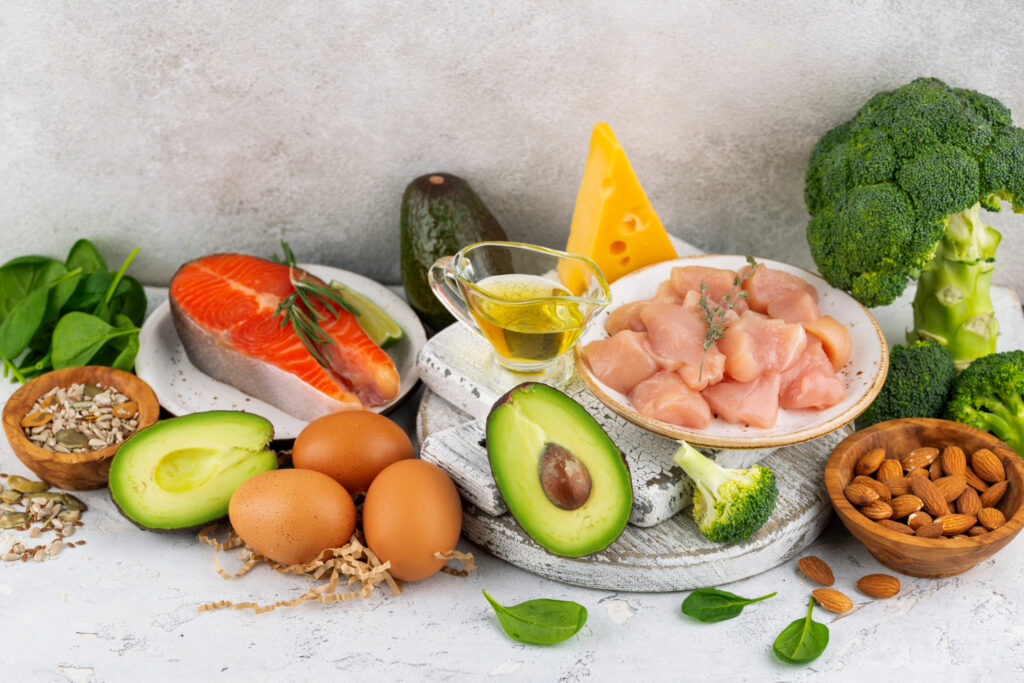
Examples of solid protein sources:
- Chicken, turkey, lean beef
- Eggs and egg whites
- Greek yogurt (unsweetened!)
- Plant-based: tofu, tempeh, legumes
- Protein shakes (when you’re in a rush or lazy—I feel you)
Honestly, once I bumped my protein, fat loss felt way easier. Also, way less snacky. Coincidence? Nope.
6. Consider Food Sensitivities and Inflammation
Sometimes It’s Not What You Eat, But What Your Body Hates
Doctors now look closely at food sensitivities when customizing fat loss diets. Because if your gut’s inflamed, guess what? You’re not digesting properly, your hormones go whack, and your weight loss stalls.
Common culprits:
- Gluten
- Dairy
- Soy
- Corn
- Sugar alcohols (like erythritol or xylitol—sneaky devils)
Not sure what’s messing with you? Try a short elimination diet for 2 weeks. Then slowly reintroduce one food at a time and watch how your body reacts.
Bloating? Headaches? Mood swings? Might be time to say buh-bye to that food—at least temporarily.
7. Match Your Diet to Your Lifestyle (AKA Be Realistic)
Doctors Don’t Just Hand You a Meal Plan and Say “Good Luck”
Here’s something refreshing: real doctors now consider your schedule, stress, budget, and even cooking skills when customizing a plan.
Because what good is a perfectly balanced diet if you can’t stick to it longer than three days?
Think about:
- Are you home or traveling a lot?
- Do you prefer meal prep or cooking fresh daily?
- Are you a social butterfly who loves dinners out?
- Do you stress eat? (guilty 🙋♀️)
Customize your fat loss plan to you—not some influencer on TikTok who lives off rice cakes and protein powder.
8. Use Intermittent Fasting If It Works For You
Not a Magic Trick—Just a Tool
Doctors have mixed feelings about intermittent fasting (IF), but many support it as a tool for appetite control and blood sugar regulation.
Some people love:
- 16:8 fasting – Eat in an 8-hour window (like noon–8PM)
- 14:10 fasting – A gentler version
- OMAD – One meal a day (warning: not for beginners)
IMO, IF works great when you’re not a breakfast person or tend to over-snack late at night. But don’t force it if it leaves you lightheaded or grumpy.
You’re not broken if fasting doesn’t work for you. Promise.
9. Watch Your Hormones—Especially If You’re 30+
Fat Loss Isn’t Just “Eat Less, Move More” After a Certain Age
Hormones start playing a major role in how your body burns or stores fat, especially if you’re:
- Over 30
- Female (hello, estrogen rollercoaster)
- Under chronic stress
- Sleeping less than 6 hours a night
Doctors often test levels of:
- Cortisol
- Thyroid hormones
- Estrogen & progesterone
- Insulin
Pro tip: If you’re doing “everything right” and still not losing fat, get your hormones checked. You’d be shocked how often that’s the missing piece.
10. Customize Your Diet—But Keep It Fun
Look, at the end of the day, the best fat loss diet is the one you’ll actually stick to. If you hate everything on your plate, you’re going to fall face-first into a pizza eventually. (And then blame yourself. Which is unfair.)
So make your custom diet delicious. Think:
- Spaghetti squash with meat sauce
- Chicken fajita bowls with cauliflower rice
- Protein pancakes with berries
- Dark chocolate + almond butter as a treat
You’re not punishing yourself. You’re just eating smarter.
The Bottom Line: Customization = Freedom
Let’s wrap it up, friend.
Doctors finally agree—**fat loss isn’t about following a